Introduction
Search has changed. Ranking content is no longer just about keywords, backlinks, or publishing frequency. In 2026, the biggest differentiator is trust.
Search engines—and more importantly, AI systems—are now designed to filter out low-quality, unreliable, or generic content. They prioritize sources that demonstrate real-world understanding, consistency, and credibility.
This is where EEAT becomes critical.
If your content does not signal trust, it will struggle to rank—no matter how well it is written.
What is EEAT?
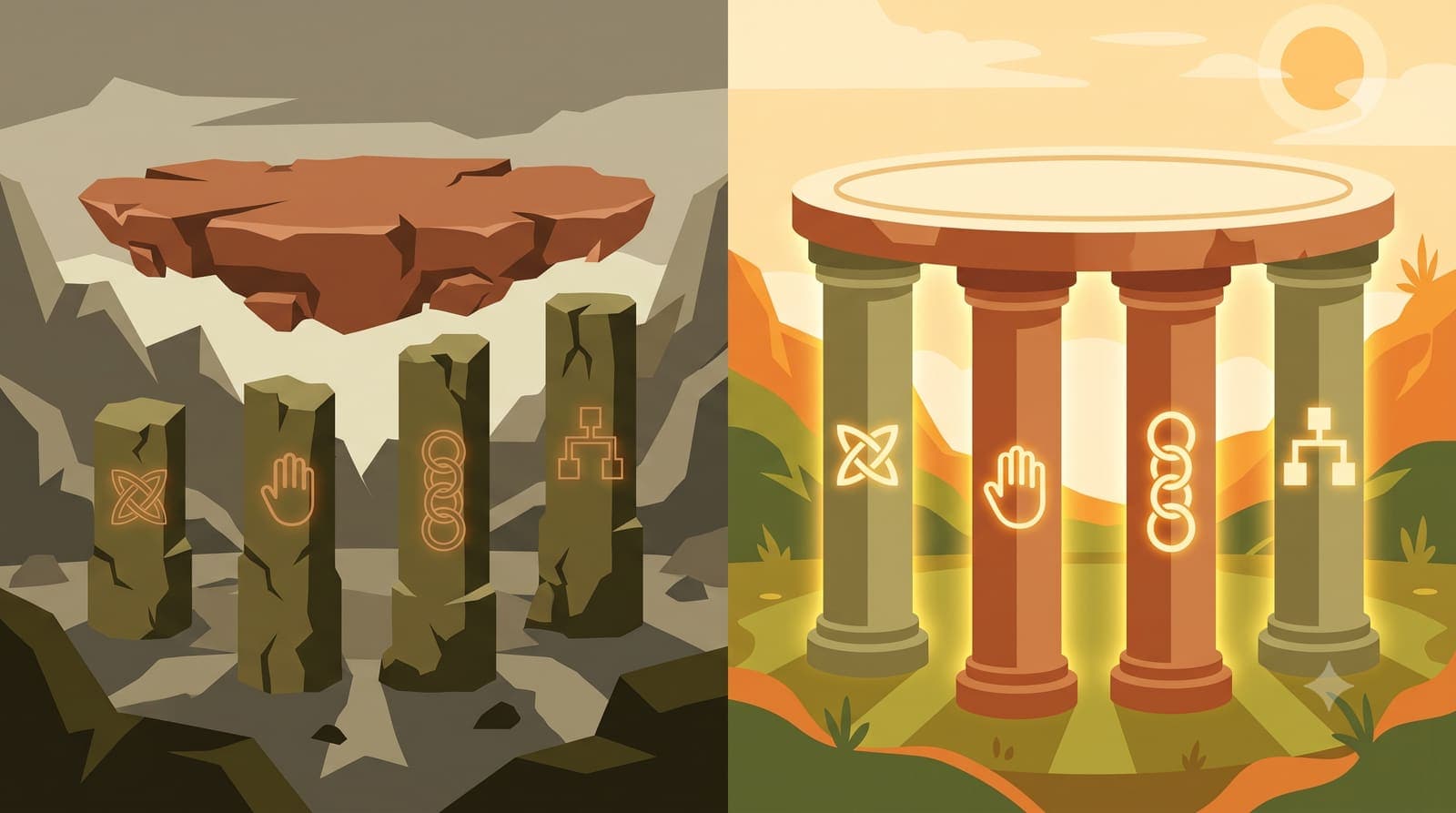
EEAT stands for Experience, Expertise, Authority, and Trust.
These four elements help search engines evaluate whether your content is reliable enough to show to users. It is not a single ranking factor but a framework that shapes how your entire website is perceived.
When these elements work together, your content becomes more credible, more visible, and more likely to rank consistently.
Why EEAT Matters in 2026
AI-powered search engines are no longer just matching keywords. They are evaluating deeper signals such as who is writing the content, whether the information is accurate, how consistently the topic is covered, and whether the content provides real value.
This shift means that generic, surface-level content is quickly ignored.
AI systems prioritize content that:
Demonstrates real knowledge
Shows consistent publishing within a niche
Provides structured, well-connected insights
If your content lacks these signals, it becomes invisible—even if it is technically optimized.
The Four Pillars of EEAT
Experience
Experience refers to real-world understanding.
Content built on actual experience includes practical insights, real examples, and clear explanations based on doing rather than just reading. Readers—and AI systems—can easily detect whether content comes from genuine experience.
Expertise
Expertise is about depth.
It answers whether your content goes beyond basics and provides meaningful insights. Strong content breaks down complex ideas, uses examples, and avoids vague explanations.
You can strengthen your expertise further by connecting your content with authority-focused writing strategies that go deeper into structuring high-value content.
Authority
Authority is built over time through consistency.
It comes from covering a niche repeatedly and expanding it through related topics. When your website focuses on a specific subject, it signals specialization.
Building topical authority is one of the strongest ways to establish this, as it connects multiple articles into a single knowledge system.
Trust
Trust is the most important pillar.
Without trust, the other three lose their impact. Trust signals include clarity, accuracy, transparency, and consistency in content.
Avoiding misleading information or exaggerated claims is essential if you want to build long-term rankings.
How to Build EEAT in 2026
Show Real Experience
Avoid generic summaries. Focus on insights, examples, and practical explanations. Even simple real-world observations can make your content stronger and more relatable.
Demonstrate Expertise
Depth matters more than length. Break topics into clear sections, explain concepts step-by-step, and ensure clarity in every part of the article.
Connecting your content with authority-driven articles helps reinforce expertise signals.
Build Authority Through Consistency
Authority is not built through one article. It comes from publishing consistently within a niche and covering related topics in depth.
A strong content system supported by topical authority strategies can significantly improve your credibility.
Strengthen Trust Signals
Trust is built through consistency in quality. Maintain clarity, avoid over-promising, and ensure your content is accurate and helpful.
Small improvements over time lead to strong trust signals.
EEAT and Content Strategy
EEAT is not a separate SEO tactic. It is the result of a well-structured content strategy.
It is built through:
Topical authority
Internal linking
Content depth
When your content is interconnected, it becomes easier for search engines to understand your expertise.
For example, linking your articles using strategic internal linking techniques strengthens both authority and relevance.
Consistent publishing on platforms like Publisha also helps reinforce long-term credibility, especially when your content is structured and niche-focused.
Common EEAT Mistakes to Avoid
Many creators weaken their EEAT signals without realizing it.
Common mistakes include:
Publishing thin or surface-level content
Writing without a clear structure
Lacking consistency in topics
Overusing generic AI-generated content without refinement
These issues reduce trust and make it harder for your content to rank.
Conclusion
EEAT is no longer optional. It is the foundation of modern SEO and AI search rankings.
In 2026, the question is not just whether your content is optimized. The real question is whether your content can be trusted.
If you focus on real experience, clear expertise, consistent authority, and strong trust signals, your content will not only rank but sustain rankings over time.
FAQs
What is EEAT in SEO?
EEAT stands for Experience, Expertise, Authority, and Trust. It is a framework used by search engines to evaluate the credibility and reliability of content.
Why is EEAT important for AI search?
AI search systems prioritize trustworthy and structured content. EEAT helps determine whether your content is reliable enough to be shown in search results.
How can I improve EEAT on my website?
You can improve EEAT by creating in-depth content, publishing consistently, focusing on a niche, and using internal linking to connect related topics.
Does EEAT affect rankings directly?
EEAT is not a direct ranking factor, but it strongly influences how search engines evaluate and rank your content.
Can AI-generated content rank with EEAT?
Yes, but only if it is edited, refined, and enriched with real insights. Generic AI content without human input often lacks trust signals.