
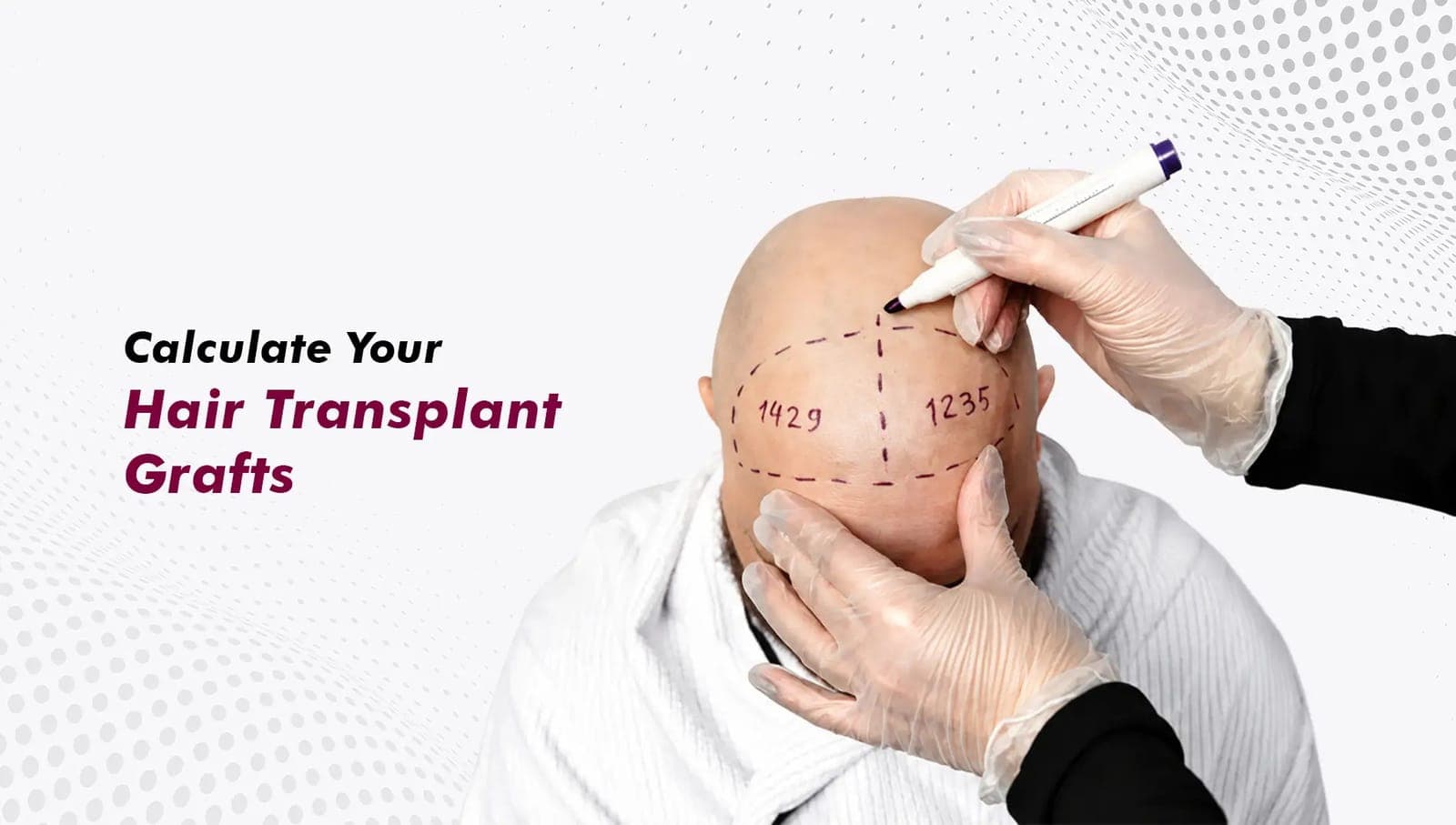
Hair loss can affect both appearance and confidence, especially when thinning becomes noticeable around the hairline, crown, or other areas of the scalp. A hair transplant in Gurgaon is one of the surgical options available for people experiencing permanent hair loss and looking for a long-term hair restoration solution.
Gurgaon, also known as Gurugram, has several dermatology and hair restoration clinics offering different transplant techniques. Before choosing a procedure, it is important to understand how hair transplantation works, who may be suitable, what the treatment involves, and what results can realistically be expected.
What Is a Hair Transplant?
A hair transplant is a surgical procedure in which healthy hair follicles are taken from a donor area of the scalp and placed into areas affected by hair loss. The transplanted follicles can continue producing hair because they are generally selected from areas that are more resistant to androgen-related hair loss.
The procedure is different from temporary hair-loss treatments because it involves physically relocating hair follicles from one part of the scalp to another.
Who May Consider Hair Transplantation?
Hair transplantation may be considered by people experiencing certain types of permanent hair loss. Suitability depends on factors such as:
Pattern and extent of hair loss
Availability of healthy donor hair
Age and progression of hair loss
Scalp condition
Overall health
Expectations regarding the outcome
A consultation with a qualified dermatologist or hair-transplant surgeon is important before deciding on treatment.
Common Hair Transplant Techniques in Gurgaon
Clinics offering hair transplant in Gurgaon may provide different techniques depending on the patient's condition.
Follicular Unit Extraction (FUE)
FUE involves extracting individual follicular units from the donor area and implanting them into areas experiencing hair loss. Because individual grafts are extracted, the procedure generally does not involve a long linear donor-area incision.
Follicular Unit Transplantation (FUT)
FUT involves removing a strip of skin containing hair follicles from the donor area. The strip is divided into individual grafts, which are then transplanted into the recipient area.
Direct Hair Transplantation
Some clinics use the term DHT for a technique involving the extraction and direct implantation of individual follicles. The exact procedure and instruments can vary between clinics, so patients should ask the surgeon what technique will actually be used.
How Does a Hair Transplant Work?
A typical hair transplantation process involves several stages.
1. Consultation
The doctor examines the scalp, assesses the pattern of hair loss, and evaluates the donor area. The expected number of grafts may also be estimated.
2. Treatment Planning
The surgeon develops a treatment plan based on the patient's hairline, density requirements, donor hair availability, and long-term hair-loss pattern.
3. Preparing the Donor Area
The donor area is prepared before follicular extraction. Local anesthesia is generally used to minimize discomfort during the procedure.
4. Graft Extraction
Hair follicles are carefully removed from the donor area using the selected technique.
5. Recipient Area Preparation
Small sites are created in the areas where the follicles will be transplanted. Their direction and placement are important for creating a natural-looking result.
6. Graft Implantation
The extracted follicles are placed into the prepared recipient sites.
7. Recovery
The scalp requires time to heal after the procedure. The clinic provides post-operative instructions covering washing, medication, physical activity, and follow-up care.
Hair Transplant Recovery
Recovery varies from person to person. Mild swelling, redness, tenderness, or crusting can occur during the early recovery period.
Patients are generally advised to follow their surgeon's instructions carefully and avoid activities that could interfere with healing.
The transplanted hair does not immediately reach its final appearance. Hair growth takes time, and the final result may require several months to become apparent.
When Do Hair Transplant Results Appear?
Hair growth after transplantation is gradual. Newly transplanted hairs may initially shed as part of the normal growth cycle, while the follicles remain in place.
New growth generally develops progressively over subsequent months. The timeline differs between individuals, so patients should discuss expected milestones with their surgeon rather than expecting an immediate transformation.
Factors That Affect Hair Transplant Results
Several factors can influence the outcome of a hair transplant, including:
Quality and density of donor hair
Extent of existing hair loss
Hair characteristics
Number of grafts transplanted
Surgical technique
Skill and experience of the surgeon
Post-procedure care
Progression of underlying hair loss
A realistic treatment plan is important because transplantation cannot create an unlimited amount of new hair.
How to Choose a Hair Transplant Clinic in Gurgaon
When researching a hair transplant clinic in Gurgaon, consider more than the advertised package price. Check:
Qualifications of the treating doctor
Experience with hair restoration procedures
Before-and-after cases
Consultation and assessment process
Surgical facility and hygiene standards
Explanation of risks and expected results
Follow-up arrangements
Transparency about treatment costs
It is also useful to ask who will perform each stage of the procedure and whether the surgeon will personally supervise the important surgical steps.
Hair Transplant Cost in Gurgaon
The cost of a hair transplant varies considerably between patients. It may depend on:
Number of grafts required
Treatment technique
Clinic and surgeon
Extent of hair loss
Procedure-related services
Follow-up requirements
Instead of relying solely on a fixed online price, patients should obtain a personalized estimate after an in-person or appropriate clinical assessment.
Benefits of Hair Transplantation
For suitable candidates, hair transplantation can provide several potential benefits:
Uses the patient's own hair follicles
Can create a natural-looking hairline
Provides a long-term restoration option
Does not require daily application to the transplanted area
Can improve hair coverage in selected areas
However, results vary, and no surgical procedure can guarantee a particular cosmetic outcome.
Things to Consider Before Treatment
Before undergoing a hair transplant, discuss your medical history, current medications, existing hair-loss treatments, expectations, and possible risks with your doctor.
It is also important to understand that hair loss can continue in non-transplanted areas. A doctor may recommend additional treatment to help manage ongoing hair loss when appropriate.
Conclusion
A hair transplant in Gurgaon can be a potential option for people experiencing permanent pattern hair loss and seeking surgical hair restoration. Techniques such as FUE and FUT can be used depending on the patient's donor hair, hair-loss pattern, and treatment plan.
Before choosing a clinic, focus on the qualifications and experience of the treating surgeon, the proposed treatment plan, realistic expectations, safety standards, and follow-up care. A professional consultation can help determine whether hair transplantation is appropriate for your individual situation.