
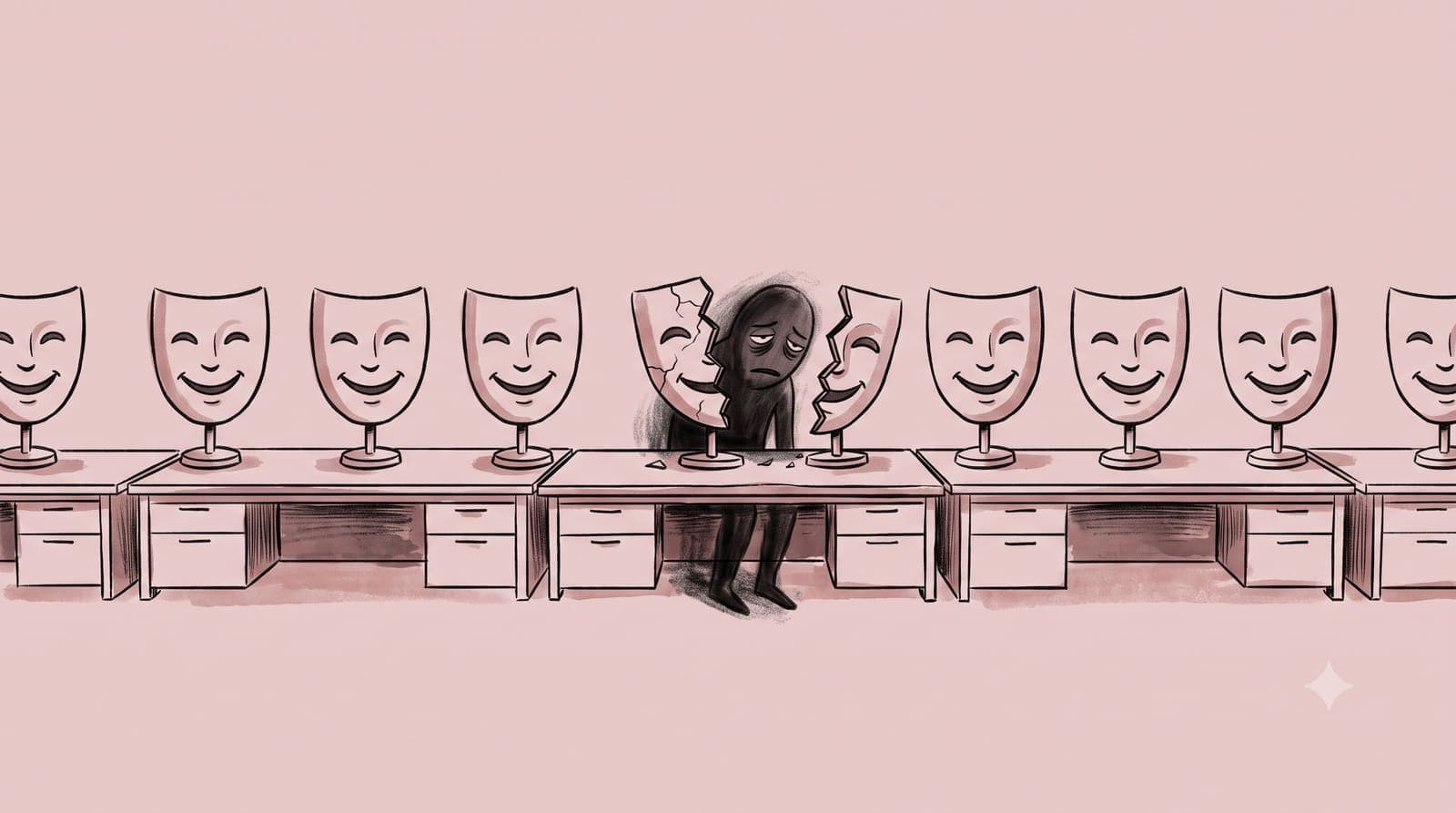
Introduction: The Pressure to Always Be “Okay”
“How are you?”
“Fine.”
It’s the most common—and most misleading—response in today’s workplace.
Behind that simple word often lies stress, burnout, confusion, or quiet frustration. Yet, in many professional environments, there’s an unspoken expectation: stay positive, no matter what.
This is where toxic positivity begins—not as a loud policy, but as a subtle cultural pressure.
What is Toxic Positivity?
Toxic positivity is the belief that people should maintain a positive mindset regardless of how difficult or uncomfortable a situation is.
It shows up in everyday workplace language:
“Just stay positive.”
“Don’t overthink it.”
“At least you have a job.”
“Everything happens for a reason.”
While these phrases may sound supportive, they often dismiss real concerns instead of addressing them.
As psychologist Susan David explains in Emotional Agility, suppressing difficult emotions doesn’t eliminate them—it intensifies them.
The Psychological Cost of Always Being “Fine”
1. Emotional Suppression
When employees feel they can’t express negative emotions, they start hiding them.
Over time, this leads to:
Increased stress
Emotional fatigue
Reduced clarity in decision-making
According to The Happiness Trap by Russ Harris, avoiding uncomfortable emotions actually makes them stronger and more persistent.
2. Burnout Beyond Workload
Burnout isn’t just about long hours—it’s about emotional disconnect.
In Dying for a Paycheck, Jeffrey Pfeffer highlights how unhealthy workplace cultures—where employees can’t speak openly—contribute directly to burnout and declining well-being.
When people can’t say:
“I’m overwhelmed”
“This isn’t working”
“I need help”
…they stop seeking support altogether.
3. Loss of Trust and Authenticity
A workplace that demands constant positivity often loses something critical: trust.
As leadership researcher Brené Brown writes in Dare to Lead, real connection at work comes from vulnerability—not perfection.
When employees feel they must always appear “fine”:
Feedback becomes filtered
Problems stay hidden
Collaboration weakens
A Real-World Scenario
Imagine this:
An employee misses a deadline after weeks of shifting priorities and late nights.
In the meeting, they say:
“It’s fine, I’ll handle it better next time.”
What they don’t say:
The workload was unrealistic
They’ve been working overtime consistently
They’re mentally exhausted
The manager responds:
“Good attitude—stay positive.”
The issue isn’t solved. It’s simply ignored.
Over time, this pattern leads to disengagement, not improvement.
Why Toxic Positivity is So Common
1. Hustle Culture
Modern work environments often reward resilience over honesty. Struggle is seen as weakness.
2. Discomfort Avoidance
Addressing real problems requires emotional effort. Positivity becomes a shortcut to avoid difficult conversations.
3. Lack of Emotional Training
Many managers aren’t trained to handle emotional discussions, so they default to surface-level encouragement.
Healthy Positivity vs Toxic Positivity
Healthy positivity sounds like:
“I understand this is challenging—let’s work through it.”
Toxic positivity sounds like:
“Just stay positive.”
How to Build a Healthier Workplace
1. Normalize Honest Conversations
Create an environment where employees can speak openly without fear of judgment.
2. Train Leaders in Emotional Intelligence
Managers should learn to listen, validate, and respond—not just fix.
3. Encourage Psychological Safety
When employees feel safe to express concerns, performance improves naturally.
4. Listen Before Solving
Not every issue needs an immediate solution. Sometimes, being heard is enough.
What Employees Can Do
Even in imperfect environments, individuals can take small steps:
Be honest (even if briefly) instead of defaulting to “fine”
Communicate challenges clearly and constructively
Set emotional boundaries
Seek support when needed
You don’t have to perform positivity to be professional.
Conclusion: It’s Okay to Not Be Okay
Workplaces don’t need more forced optimism.
They need:
Honest conversations
Empathy-driven leadership
Space for real human experiences
Because when employees feel safe to be authentic—not just “fine”—they don’t just survive at work…
They thrive.