
You check your phone “just for a minute”… and suddenly, 45 minutes are gone.
You switch between apps, scroll endlessly, watch short videos, reply to messages, and still feel oddly unfulfilled.
This isn’t laziness. It’s not a lack of discipline either.
It’s something deeper — dopamine overload.
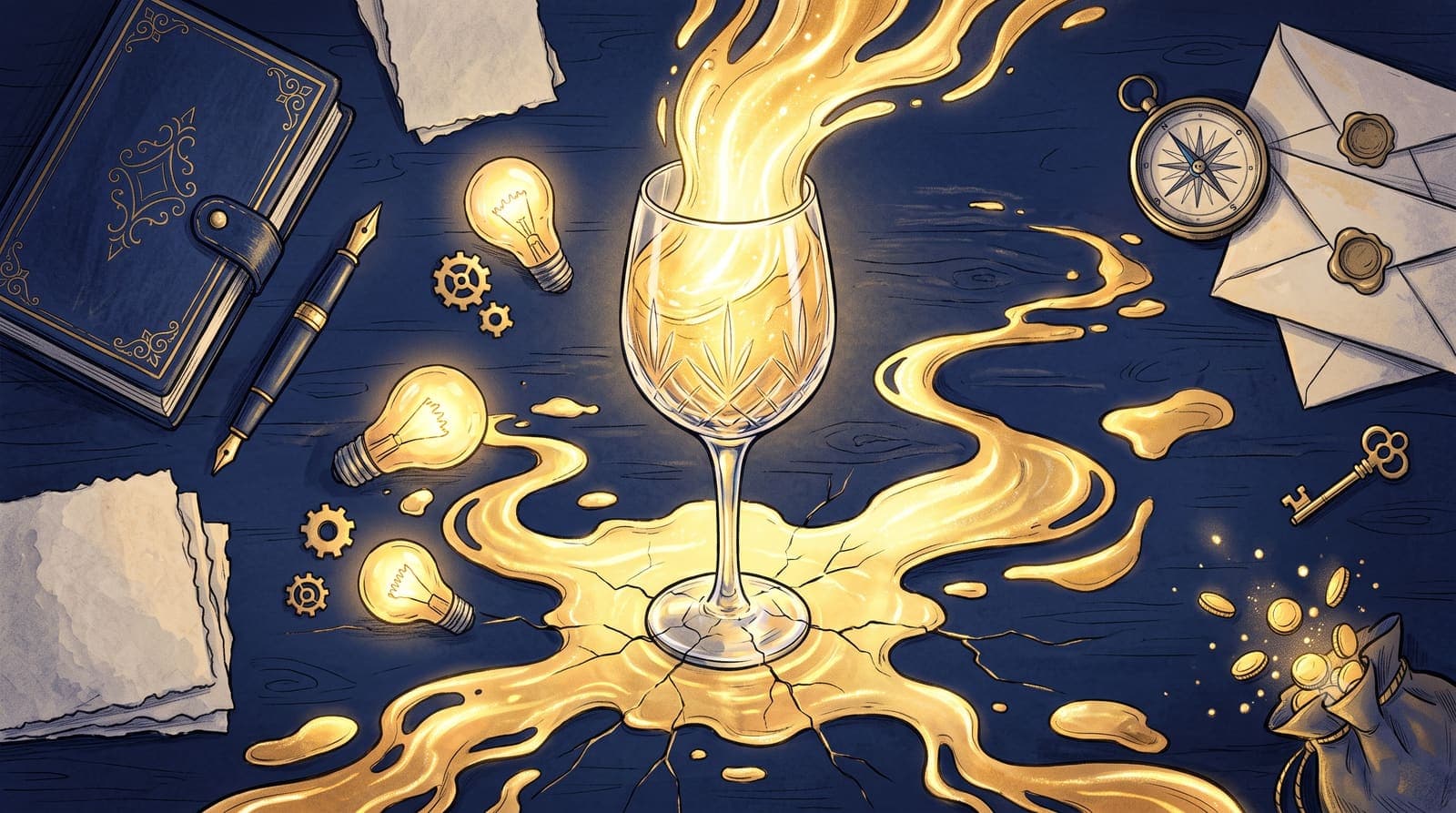
In today’s hyper-digital world, your brain is constantly being stimulated. Every notification, every reel, every like triggers a small release of dopamine — the brain’s “feel-good” chemical. Over time, this constant stimulation rewires how you experience focus, motivation, and even happiness.
Let’s break down what’s really happening — and why it matters more than you think.
What Is Dopamine (And Why It Matters)?
Dopamine is often called the “pleasure chemical,” but that’s only half the story.
It’s actually more about motivation and anticipation than pleasure itself.
Dopamine drives you to:
Check your phone
Refresh your notifications
Keep scrolling
Seek the next “hit” of stimulation
In a balanced system, dopamine helps you stay motivated and focused.
But when overstimulated, it starts working against you.
What Is Dopamine Overload?
Dopamine overload happens when your brain receives too many high-reward stimuli in a short period of time.
Think about your daily habits:
Scrolling social media
Watching short-form videos
Gaming for hours
Switching between apps rapidly
Constant multitasking
Each of these activities gives your brain quick dopamine spikes.
The problem?
Your brain adapts.
It starts needing more stimulation to feel the same level of satisfaction.
The Hidden Costs of Dopamine Overload
1. You Lose the Ability to Focus
Tasks that once felt easy — like reading, studying, or working — now feel boring.
Why?
Because they don’t provide instant rewards.
Your brain, now used to high stimulation, struggles to engage with slow, meaningful tasks.
2. Motivation Starts Declining
Ironically, too much dopamine can make you feel less motivated.
You begin to:
Procrastinate more
Avoid difficult tasks
Seek easy distractions
Your brain chooses quick rewards over long-term goals.
3. Everything Feels Less Enjoyable
When dopamine is constantly elevated, your baseline drops.
This leads to:
Reduced satisfaction from everyday activities
Loss of interest in hobbies
Feeling “empty” despite constant stimulation
This is why even after hours of scrolling, you still feel unsatisfied.
4. Increased Anxiety and Restlessness
Your brain becomes conditioned to constant input.
So when things slow down:
Silence feels uncomfortable
You feel restless without your phone
You struggle to relax
This constant mental noise can quietly increase anxiety levels.
5. Sleep Quality Gets Worse
Late-night scrolling, binge-watching, and digital stimulation confuse your brain.
Result:
Difficulty falling asleep
Poor sleep quality
Mental fatigue the next day
And the cycle repeats.
Why This Is More Dangerous Than It Looks
Dopamine overload doesn’t feel like a serious problem at first.
It feels normal.
After all, everyone is doing it.
But over time, it slowly impacts:
Your productivity
Your mental clarity
Your emotional stability
Your long-term goals
It’s not about one bad habit —
it’s about a pattern that reshapes your brain.
Signs You Might Be Experiencing Dopamine Overload
You constantly check your phone without thinking
You struggle to focus on one task
You feel bored easily
You procrastinate important work
You feel mentally tired but still keep scrolling
You find it hard to enjoy simple things
If this sounds familiar, you’re not alone.
How to Reset Your Brain (Without Going Extreme)
You don’t need to quit technology completely.
But you do need to rebalance your dopamine system.
1. Reduce Instant Gratification
Limit:
Short-form content (reels, shorts)
Mindless scrolling
Constant app switching
Even small reductions can make a big difference.
2. Practice “Boredom”
This sounds strange, but it works.
Allow yourself to:
Sit without your phone
Take walks without music
Think without distraction
This helps your brain reset its baseline.
3. Focus on Deep Work
Engage in activities that require effort:
Reading
Writing
Learning a skill
Long-form work
These rebuild your attention span over time.
4. Create Dopamine Balance, Not Deprivation
The goal is not to eliminate pleasure.
It’s to:
Reduce cheap dopamine
Increase meaningful dopamine
Things like exercise, meaningful conversations, and achieving goals provide healthier rewards.
5. Set Digital Boundaries
Simple habits can help:
No phone in the first hour of your day
No scrolling before sleep
Fixed screen time limits
Structure creates control.
Final Thoughts
Dopamine isn’t the enemy.
But uncontrolled stimulation is.
In a world designed to capture your attention, protecting your focus is a skill — and a responsibility.
When you start managing your dopamine, something powerful happens:
You regain control over your time, your attention, and your life.
And that’s where real satisfaction begins.