
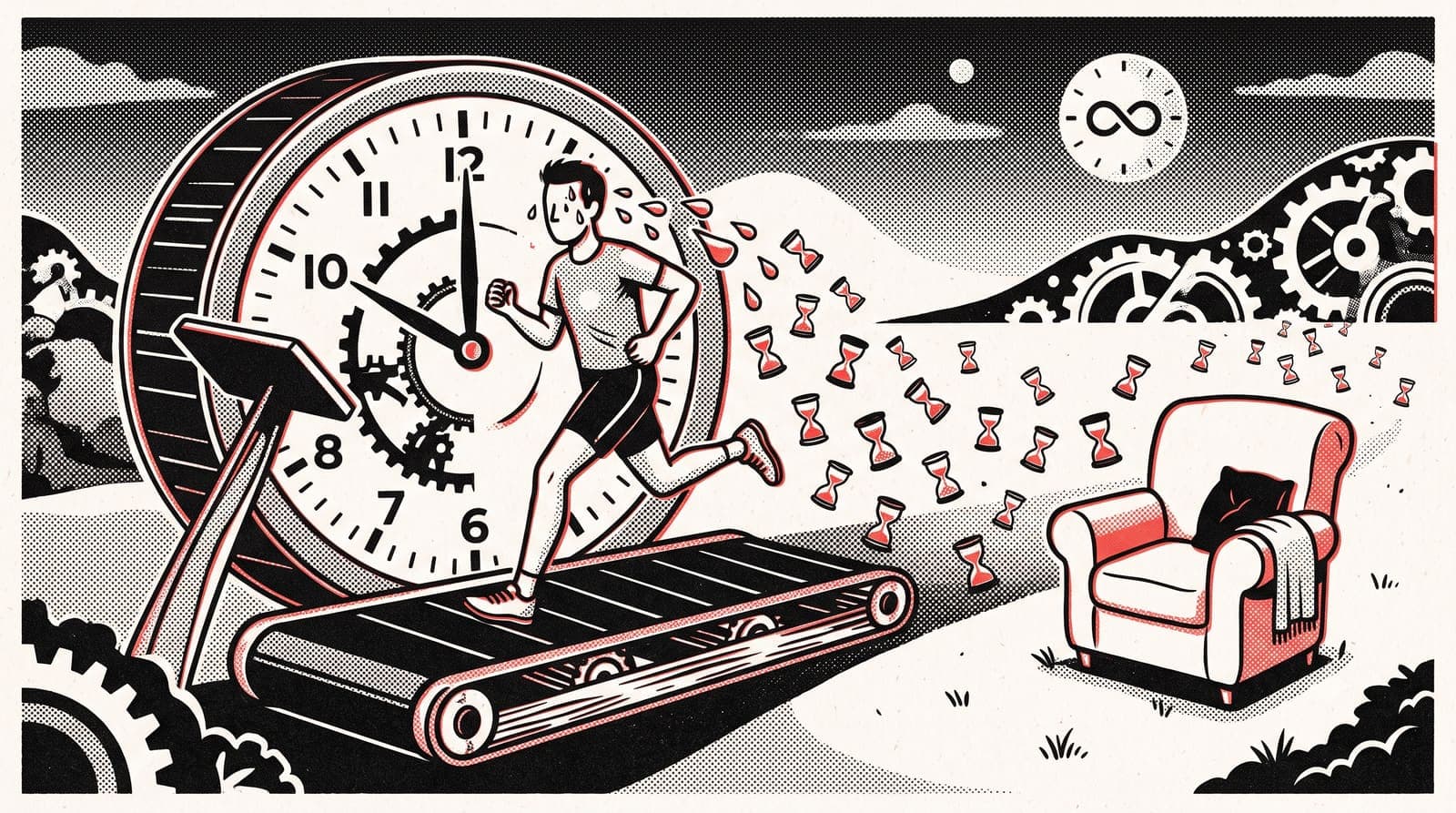
Being busy used to mean you were doing well.
Now, it often means you’re overwhelmed.
We’ve reached a point where rest feels guilty, slowing down feels wrong, and doing nothing feels like failure. People wear “busy” like a badge of honor—but behind that constant activity is something far less admirable: exhaustion, anxiety, and disconnection.
This is toxic productivity.
And the problem isn’t that you’re working hard.
It’s that you’ve been conditioned to believe you should always be working.
What Is Toxic Productivity?
Toxic productivity is the constant pressure to be doing something “useful” at all times—even at the cost of your mental and physical health.
It sounds like:
“I should be doing more”
“I can’t relax yet”
“I’m wasting time”
Even when you’ve done enough.
The issue isn’t productivity itself. Healthy productivity feels focused and satisfying. Toxic productivity feels forced, endless, and never enough.
Why Being “Always Busy” Feels Normal Now
This didn’t happen by accident.
We live in a culture that rewards output, speed, and visible effort. Social media shows people working, building, achieving—constantly.
What you don’t see:
their breaks
their burnout
their mental struggles
So you start comparing your internal state to someone else’s external highlight.
And slowly, “rest” begins to feel like falling behind.
The Hidden Cost of Always Being Busy
At first, staying busy feels productive. But over time, it creates deeper problems.
1. You Lose the Ability to Rest
You sit down to relax—but your mind doesn’t stop.
Instead of resting, you:
check your phone
think about tasks
feel uneasy doing nothing
Rest stops feeling natural.
2. Your Work Quality Drops
Constant work doesn’t mean better work.
Without breaks:
focus decreases
creativity fades
mistakes increase
You end up doing more—but achieving less.
3. You Start Measuring Your Worth by Output
This is where it gets dangerous.
Your self-worth becomes tied to:
how much you do
how busy you are
how productive you feel
And on slower days, you feel like you’re not enough.
4. Burnout Becomes Inevitable
Burnout doesn’t happen suddenly.
It builds slowly:
mental fatigue
emotional exhaustion
loss of motivation
Until one day, even simple tasks feel heavy.
Signs You Might Be Stuck in Toxic Productivity
You feel guilty when you rest
You struggle to “switch off”
You constantly think about work
You feel like you’re never doing enough
You fill your time just to avoid being idle
If this sounds familiar, you’re not alone.
How to Break Free (Without Losing Productivity)
This isn’t about becoming lazy.
It’s about becoming intentional.
1. Redefine What “Productive” Means
Productivity is not about doing more.
It’s about doing what matters.
Ask yourself:
Did I move something meaningful forward today?
Not:
Did I stay busy all day?
2. Schedule Rest Like You Schedule Work
If you don’t plan rest, it won’t happen.
Block time for:
doing nothing
going for a walk
stepping away from screens
Treat it as necessary—not optional.
3. Learn to End Your Day Properly
Many people never “end” their workday mentally.
Create a simple shutdown routine:
review what you did
plan the next day
close everything
This helps your brain switch off.
4. Do Less, But Do It Better
Instead of juggling everything:
focus on fewer tasks
complete them properly
Depth creates better results than constant switching.
5. Get Comfortable With Stillness
This is the hardest part.
Doing nothing can feel uncomfortable—because you’re not used to it.
But that discomfort is temporary.
And on the other side of it is clarity.
The Truth Most People Don’t Realize
The most successful people are not always working.
They:
rest intentionally
think deeply
focus on what matters
Constant busyness is not a sign of success.
It’s often a sign of imbalance.
Final Thought
You don’t need to earn your rest.
You don’t need to justify slowing down.
And you definitely don’t need to be busy all the time to be valuable.
The goal isn’t to do more.
It’s to live better.
When you step out of toxic productivity, you don’t lose progress—you gain clarity, energy, and control.
FAQs
What is toxic productivity?
Toxic productivity is the unhealthy obsession with constantly being productive, even at the cost of mental and physical well-being.
Why do I feel guilty when I’m not working?
Because you’ve associated your self-worth with output. It’s a learned pattern, not a truth.
Is being busy always a bad thing?
No. Healthy productivity is beneficial. The problem is when busyness becomes constant and exhausting.
How can I stop feeling like I need to be productive all the time?
Start by setting boundaries, scheduling rest, and redefining what productivity means for you.
Can toxic productivity lead to burnout?
Yes. Constant pressure without rest eventually leads to mental and physical exhaustion.