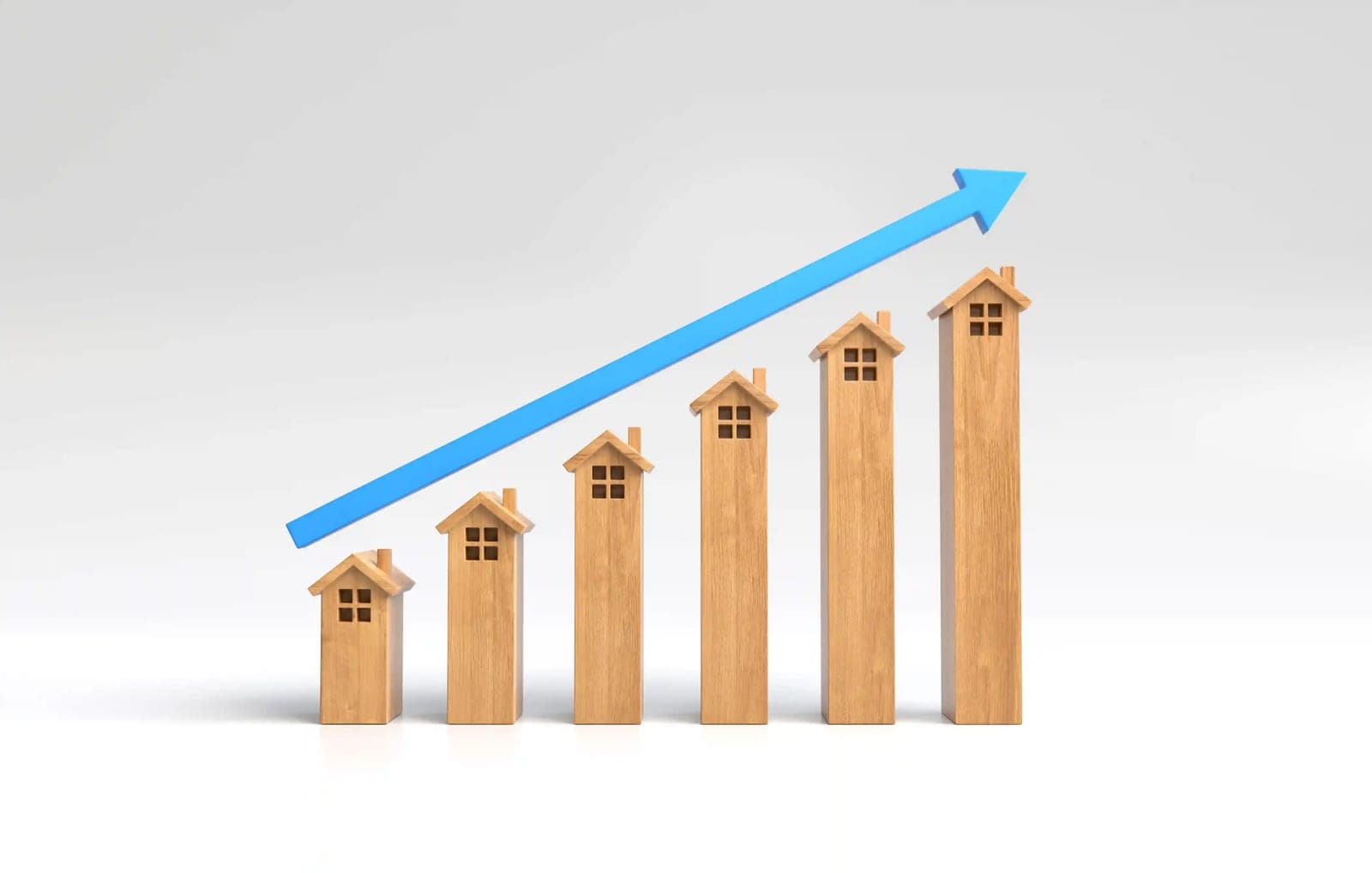
The Indian real estate market is undergoing significant changes due to urbanization, technological advancements, government policies, and shifting buyer preferences. Whether you are a buyer looking for an ideal property or a seller aiming for maximum returns, understanding these trends can help you make better decisions.
1. Rise of Tier 2 and Tier 3 Cities as Investment Hotspots
As property prices in metro cities continue to rise, investors are looking toward emerging cities that offer better affordability and growth potential.
Cities like Indore, Jaipur, Lucknow, Coimbatore, Surat, and Chandigarh are seeing an increase in demand due to improved infrastructure, expanding IT sectors, and government-backed initiatives like the Smart Cities Mission.
Improved connectivity through expressways, metro expansions, and industrial development hubs is further boosting real estate growth in these locations.
Impact on Buyers and Sellers:
Buyers can find affordable properties with higher appreciation potential in these cities compared to metro areas.
Sellers in these cities may see higher demand and better resale value as more buyers look beyond metros.
2. Changing Housing Preferences Due to Work-from-Home Trends
The shift to hybrid work models has increased demand for homes with dedicated workspaces, larger living areas, and outdoor spaces.
Many professionals are moving away from city centres to suburban or semi-urban areas where they can get more space at lower prices.
Gated communities, independent houses, and properties with amenities like gardens and balconies are in higher demand.
Impact on Buyers and Sellers:
Buyers should prioritize homes with extra space for work-from-home setups and good internet connectivity.
Sellers with properties offering home office facilities or larger spaces can market these features for better value.
3. Growing Popularity of Sustainable and Green Homes
Homebuyers are increasingly looking for eco-friendly homes with energy-efficient features such as solar panels, rainwater harvesting systems, and sustainable building materials.
Developers are incorporating green building certifications, smart water management, and sustainable designs to attract environmentally conscious buyers.
Rising electricity and water costs are making energy-efficient homes more attractive.
Impact on Buyers and Sellers:
Buyers investing in green homes can benefit from lower maintenance costs and higher long-term value.
Sellers can increase property appeal by adding sustainable features that attract modern buyers.
4. Rise in Demand for Rental Housing and Co-Living Spaces
The demand for rental properties is growing in metro and Tier 2 cities due to increasing job opportunities and migration patterns.
Co-living spaces, managed PG accommodations, and fully furnished rental properties are becoming more popular, especially among young professionals and students.
Companies are transforming the rental market with fully managed accommodations.
Impact on Buyers and Sellers:
Buyers looking for investment opportunities can consider rental properties in areas with high job demand and student populations.
Sellers can benefit from higher rental yields, especially in cities with IT hubs, educational institutions, and business districts.
5. Growth of Fractional Property Ownership
Fractional ownership allows multiple investors to co own high-value properties, making real estate investment more accessible.
This model is gaining traction in the commercial property sector, with platforms offering investment opportunities in premium office spaces and retail outlets.
It provides an alternative to traditional property investment, allowing small investors to enter the market.
Impact on Buyers and Sellers:
Buyers can invest in high-value real estate with lower capital requirements and earn rental income from commercial properties.
Sellers can attract multiple investors instead of relying on a single buyer, improving liquidity.
Read More https://www.foundone.in/insights/upcoming-real-estate-trends-buyers-sellers