
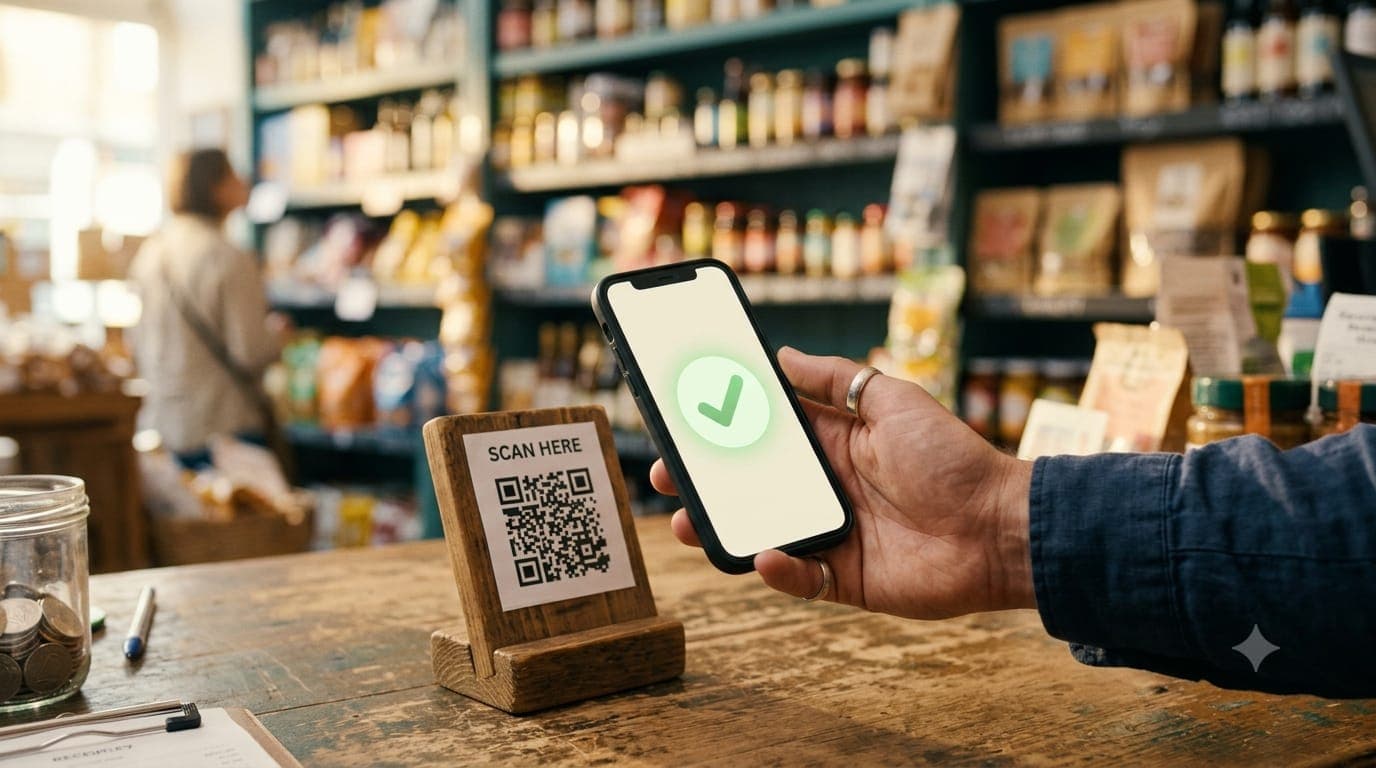
If you pay for things with UPI, the headline is simple: you will not be charged anything extra from 15 October 2026. What changes is who pays the cost of some merchant payments, and that is where most of the confusion, and a fair few misleading forwards, come from.
Here is what has actually been announced, worked out in rupees, plus the court case that is now running alongside it.
The short version
From 15 October 2026, a 0.4% merchant discount rate (MDR) applies to specified UPI payments to merchants (P2M) above ₹2,000.
The merchant pays it. Consumers are not charged, and merchants are not allowed to pass it on to you.
Payments to friends and family (P2P) stay free, whatever the amount.
Anything up to ₹2,000 stays free, and small merchants are exempt.
What MDR is, and who normally pays it
MDR is the fee a shop or business pays for accepting a digital payment. Card payments have always carried one. UPI merchant payments have had none for years, which is why paying at a shop by UPI has felt like it costs nobody anything. In reality, someone was still bearing the cost of running the network. The new framework, as explained from NPCI's FAQs, puts a small, capped fee on the merchant side for larger payments.
The numbers, worked out
The rate is 0.4% of the transaction, with a ceiling. Business Today's FAQ summary gives these examples of what the merchant would pay:
₹2,000 or less: nothing.
₹3,000: ₹12.
₹50,000: ₹200.
₹75,000 or more: capped at ₹300.
Some sectors are treated differently. For railways, telecom, insurance, fuel and other notified categories, the merchant pays a flat ₹5 per transaction on payments above ₹2,000 instead of 0.4%. Educational institutions are to get concessional or capped rates, and capital-market payments a 0.02% rate with a ₹300 maximum, according to the same NPCI FAQs.
So if you pay a ₹6,000 appliance purchase at a large store, the store's cost is ₹24. If you renew a ₹40,000 insurance policy, the insurer's cost is a flat ₹5. Your payment screen looks exactly as it did before.
What stays free for you
UPI to people. Transfers to family, friends and yourself remain free for both sender and receiver.
Payments up to ₹2,000. No MDR at any merchant.
Small merchants. Those receiving up to ₹1 lakh a month through UPI QR codes directly into their accounts stay on zero MDR, even for individual payments above ₹2,000.
Credit-linked UPI. Credit products used through UPI are not covered by this framework; separate rules apply to them.
Can a shop charge you extra for paying by UPI?
Under the framework as reported, no. It bars merchants from passing the MDR on to customers, so the price on the bill should be the price you pay. If a shop asks for a "UPI fee" on top of the displayed price, keep the payment record and raise it with your UPI app's support channel.
What nobody can say yet is whether some businesses will quietly nudge prices up to absorb the cost. There is no evidence of that so far, and small shops are largely outside the charge. It is worth watching bigger tickets, such as electronics or furniture, over the next few months rather than assuming either way.
The court case in the background
The levy is being challenged. On 28 September 2026 the Supreme Court declined to stay it while hearing a public interest petition, and asked the Centre, RBI and NPCI to respond within four weeks. According to Telangana Today's report of the hearing, the bench asked whether the charge is a tax or a fee, and if neither, what the executive basis for it is.
Refusing a stay is not a ruling on whether the levy is valid. It only means the 15 October start date stands for now, and the outcome could still change the framework later. The Finance Ministry's own position, as summarised by SCC Online, is that UPI stays free for users and the fee applies only to eligible merchant payments.
What to do before 15 October
As a customer, nothing. Keep paying as usual, and treat any message claiming that UPI will start charging you as a warning sign, not a notice.
If you run a small business, check your monthly UPI QR receipts against the ₹1 lakh limit, and look at how many of your customers pay above ₹2,000. That tells you whether the 0.4% could ever apply to you, and it is the number to bring up if a payment provider tries to sell you a new plan around this change.
This is general information based on public announcements as of 30 September 2026, not financial advice. Rules can change, especially with a court case pending, so check NPCI's and your bank's notices for the current position.