
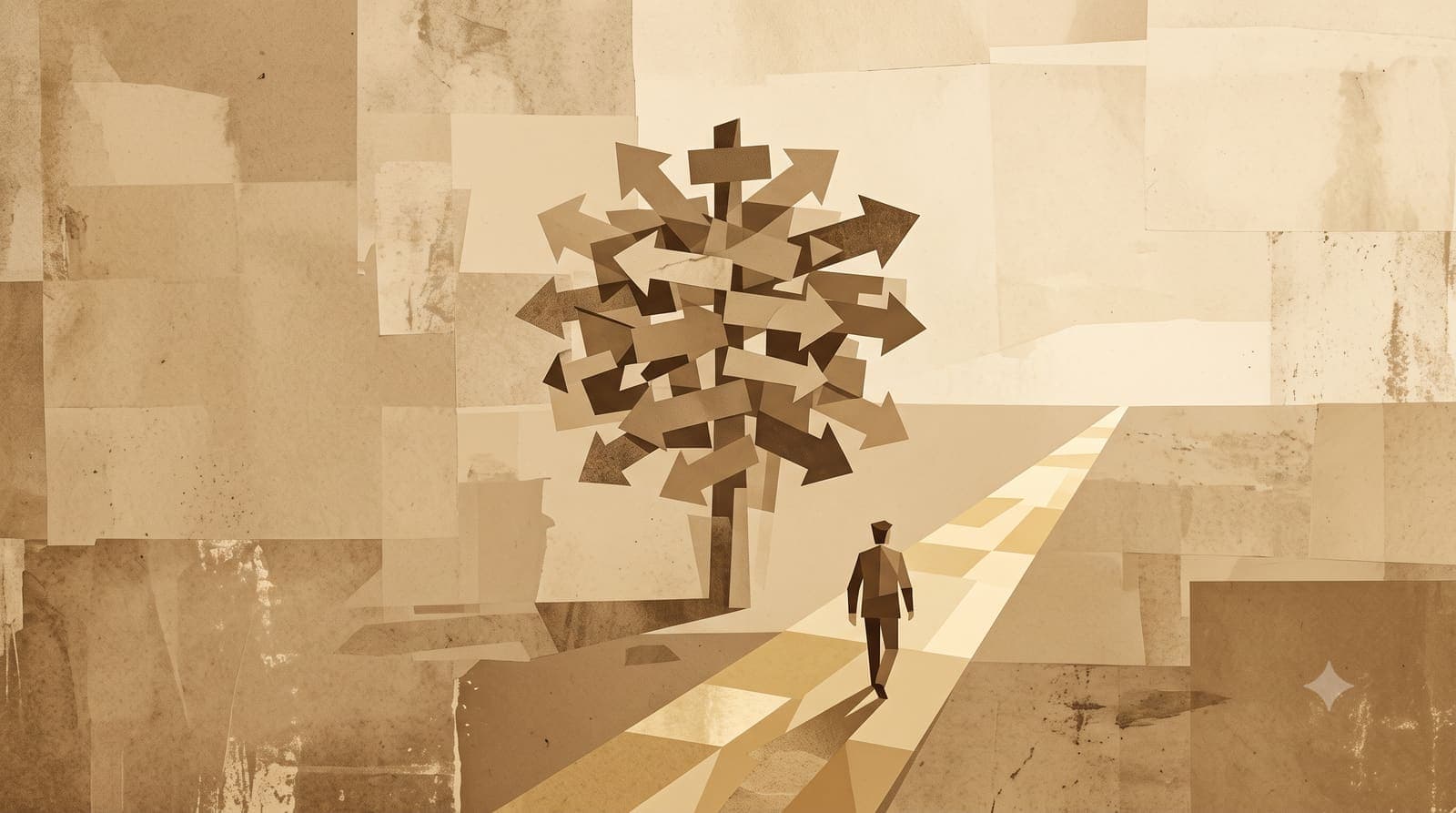
For a long time, I believed Medium was the best place to start writing online.
It was simple. It had an audience. And it felt like the fastest way to get noticed.
But in 2026, I made a decision most writers avoid—I left Medium.
Here’s the honest truth:
I didn’t leave because Medium is bad. I left because it stopped helping me grow.
This is not a rant. It’s a reality check for writers in India who want more than just views.
Introduction
When I started writing, Medium felt like a perfect platform.
You write. You publish. People read.
No SEO headaches. No technical setup. No marketing stress.
And for a beginner, that’s powerful.
But over time, I realized something important:
Ease comes at a cost—and that cost is control.
After months of writing, experimenting, and analyzing results, I noticed patterns that I couldn’t ignore anymore.
This article is about those patterns, the mistakes I made, and what finally pushed me to move on.
1. The Illusion of Reach
Medium gives you exposure—but not ownership.
In the beginning, my articles got decent views. Some even performed well.
But then something strange happened.
What I noticed:
One post would get thousands of views
The next would barely reach anyone
No clear pattern or predictability
The problem wasn’t my writing—it was the system.
Medium’s algorithm decides:
Who sees your content
When they see it
Whether it gets traction or not
The Reality:
You don’t control your audience.
You borrow it.
And that’s a risky place to build a personal brand.
2. SEO Limitations (A Major Wake-Up Call)
As I started learning SEO, I realized I was missing a huge opportunity.
The Issue:
My content wasn’t ranking on Google.
Even well-written articles:
Didn’t appear in search results
Didn’t bring consistent traffic
Relied only on Medium’s internal audience
Why This Happens:
Limited control over optimization
Canonical tags often favor Medium
Domain authority belongs to Medium—not you
The Turning Point:
I understood this clearly:
If your content doesn’t rank, it doesn’t last.
That realization alone changed my entire strategy.
3. Earnings Were Unpredictable
Let’s talk honestly about money.
Medium’s Partner Program sounds attractive, but the reality is different.
What I experienced:
Earnings depended on reading time
Income fluctuated every month
No clear way to scale consistently
Some months were decent. Others were disappointing.
The Core Problem:
You’re paid based on:
Engagement
Algorithm reach
Reader behavior
Not on:
Expertise
Value
Business strategy
My Conclusion:
I didn’t want to depend on a system I couldn’t control.
4. Lack of Personal Brand Ownership
This was the biggest reason I left.
On Medium:
Your profile exists inside their platform
Your audience belongs to them
Your growth depends on their rules
What This Means:
Even if you grow:
You don’t truly own your audience
You can’t fully control your content distribution
You’re building on rented land
And I’ve seen this before.
Platforms change. Algorithms shift. Reach drops.
But if you own your platform, your growth stays.
5. The Shift: Writing for Long-Term Growth
Once I realized these limitations, I started thinking differently.
Instead of asking:
“How can I get more views?”
I started asking:
“How can I build something that lasts?”
What I Changed:
Focused on SEO-driven writing
Created structured, problem-solving content
Built consistency outside algorithm dependency
I began to publish my content on Publisha, where the focus was not just publishing—but ranking and long-term visibility.
6. What Happened After Leaving Medium
Leaving wasn’t an instant success story.
It took time.
First 1–2 Months:
Low traffic
No immediate results
Doubts
After 3–6 Months:
Articles started ranking
Traffic became consistent
Content began working like an asset
The Biggest Difference:
On Medium: Content lives for days
On SEO platforms: Content lives for years
That’s a game-changing shift.
7. Should You Leave Medium Too?
Not necessarily.
Medium still has value—especially for beginners.
Stay on Medium if:
You’re just starting out
You want quick exposure
You enjoy community engagement
Consider leaving if:
You want long-term growth
You care about SEO
You want to build a personal brand
You want control over your content
Key Takeaways
Medium is great for starting, not scaling
Algorithm-based reach is unpredictable
SEO matters more than ever in 2026
Ownership is more valuable than visibility
Long-term growth requires strategy, not just publishing
The Real Lesson
Leaving Medium wasn’t about rejecting a platform.
It was about choosing a better direction.
Most writers stay comfortable.
Very few think strategically.
If you want to build a real presence online, you need to ask yourself:
Are you building content…
or building an asset?
Conclusion
Medium gave me a start. But it couldn’t give me growth.
And that’s an important distinction.
In today’s digital landscape, writing is not just about expression—it’s about positioning.
If you’re serious about your future as a writer in India, start thinking beyond platforms that limit you.
Think long-term. Think ownership. Think strategy.
Because in the end, the goal isn’t just to write.
The goal is to be found, remembered, and trusted.
FAQs
1. Why do writers leave Medium?
Many leave due to lack of control, SEO limitations, and unpredictable earnings.
2. Is Medium still good for beginners?
Yes, it’s a great platform to start and gain initial exposure.
3. What is the biggest drawback of Medium?
You don’t own your audience or distribution.
4. Can you build a personal brand on Medium?
Yes, but it’s limited compared to SEO-driven platforms.
5. What is a good alternative to Medium in India?
Platforms like Publisha offer better SEO control and long-term growth opportunities.